

Puma
vs.
Tiger Woods.
Puma
vs.
Tiger Woods.
of
Why is the mere mental association of two “leaping big cats” enough to invalidate a trademark application?
How did Puma manage to demonstrate its brand awareness in Germany?
What is it all about?
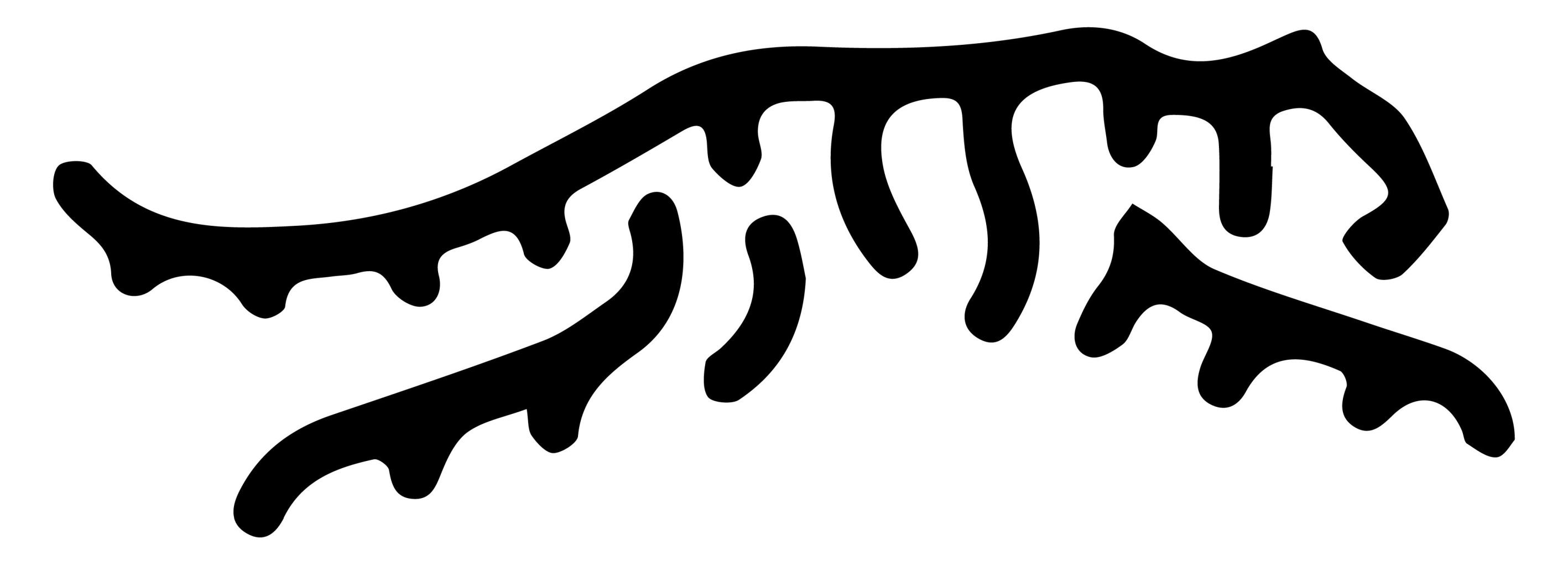
On January 18, 2024, the American company Sunday Red, LLC—Tiger Woods’ golf apparel brand—filed an application with the EUIPO for a figurative mark. It depicts a stylized big cat figure composed of several curved stripes, reminiscent of a tiger, which, according to Sunday Red, is intended to allude to the professional golfer’s 15 major victories. The application sought protection for, among other things, apparel, golf equipment, bags, sunglasses, towels, and related retail services.
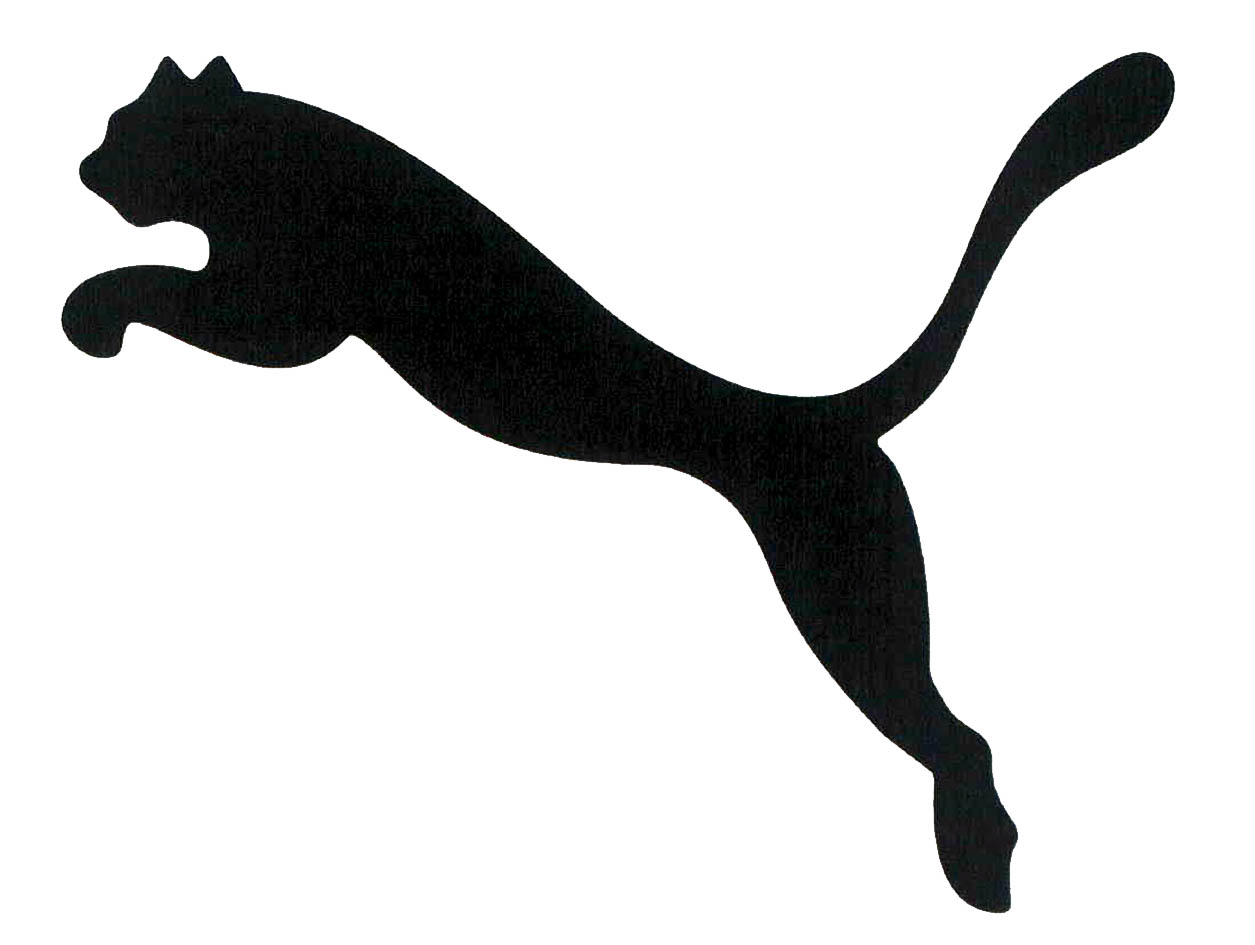
Puma SE filed an opposition on May 27, 2024, citing an earlier EU figurative mark—the leaping big cat in the Puma logo. Puma asserted both a classic likelihood of confusion and the special protection afforded to well-known trademarks against reputation exploitation and dilution.
In a decision dated July 6, 2026, the Opposition Division of EUIPO upheld the opposition in its entirety. The opposed trademark was rejected for all claimed goods and services.
The case is part of several parallel trademark proceedings . A case between the parties is pending in the United States, with a trial expected in the fall of 2026. In Singapore, however, the local trademark office completely rejected a corresponding opposition filed by Puma in March 2026, as the differences in the structure, shape, characteristics, and direction of movement of the two animals were deemed sufficiently significant to distinguish them from one another. The Australian trademark office also ruled in favor of Sunday Red, finding that the hanging stripes on the tiger figure—as a defining feature—conveyed a clear impression of a tiger, whereas the Puma logo would be remembered more as a puma or, at most, as another big cat such as a jaguar, but not as a tiger.
EUIPO’s Rationale for the Decision
Awareness of the Puma trademark
At the heart of the decision was the question of whether the earlier trademark could be considered well-known in Germany in the legal sense. The Opposition Division based its decision on a wide range of evidence, including over 70 years of continuous use, extensive sponsorship activities in soccer, motorsports, track and field, and the Olympic Games, as well as collaborations with celebrities such as Rihanna and licensed collections featuring Sesame Street and Superman. Another decisive factor was a 2018 consumer survey conducted by GfK SE among 1,055 people, according to which 85.3 percent of the general population and 91.5 percent, in the context of sports and lifestylespontaneously associated the image of a leaping big cat with Puma.
Sunday Red had argued that this survey was too old—having been conducted seven years ago—and was therefore no longer relevant. The Opposition Division did not agree. Experience shows that brand recognition builds up over the years and does not disappear abruptly, and it would have been up to Sunday Red to demonstrate a loss of brand recognition in the meantime, which it failed to do. As a result, the Puma trademark enjoys a very high level of brand recognition, at least in Germany.
Comparing Characters
Visually, the two designs are clearly distinct. The earlier trademark depicts a naturalistic, solid black silhouette of a leaping big cat in profile. The contested trademark, by contrast, is a highly abstract figure composed of curved vertical stripes, which is more reminiscent of a tribal-style ornament than of a naturalistic animal.
Sunday Red argued that big cat motifs are common in the sports and fashion industries anyway and therefore inherently have only weak distinctiveness, as evidenced by the coexistence of numerous other trademarks featuring big cat elements, such as Slazenger, Lynx, Arctic Cat, Kenzo, and Tiger of Sweden. The Opposition Division did not agree with this argument. The mere existence of such trademark registrations did not prove that consumers had in fact become accustomed to such motifs and that the distinctiveness of the Puma trademark had thereby been weakened. The Puma trademark would therefore possess normal distinctiveness.
Sunday Red was also unable to prevail with the argument that the 15 stripes on the tiger figure symbolized Tiger Woods’ 15 major victories and that the tiger referred to his nickname. For the purposes of the examination, only the distinctiveness of the earlier trademark is relevant, not the meaning the applicant wishes to attribute to its own, later trademark. It would be sufficient that both marks convey the concept of a leaping or moving big cat to conclude that there is sufficient similarity for the purpose of the fame assessment.
The mental association and the exploitation of reputation
Given the high level of recognition of the Puma trademark, the overlap in product categories—particularly in the golf segment, where Puma itself is active through sponsored professionals such as Rickie Fowler and Lexi Thompson— as well as the established similarity of the trademarks, the Opposition Division assumed that the relevant public in Germany would mentally associate the contested trademark with Puma upon seeing it. Although this mental association alone would not yet be sufficient from a legal standpoint, it would be a prerequisite for the actually decisive step: the examination of unfair exploitation.
The Opposition Division affirmed that such an unfair advantage existed in favor of Sunday Red.
There is a serious risk that the challenged trademark would unfairly take advantage of the distinctive character and reputation of the earlier trademark
Given the overlap in the goods and market sectors of both parties, it is conceivable that Sunday Red could ultimately benefit from the transfer of the image and positive attributes of the earlier trademark without having made any financial investments or marketing efforts of its own. Since this single form of infringement was sufficient, the Opposition Division did not examine separately whether there was potential damage to the reputation or dilution of the Puma trademark, nor did it examine the classic likelihood of confusion, which Puma had also invoked as an alternative argument.
Conclusion
The Opposition Division based its finding of similarity between the two marks primarily on the common underlying concept of a leaping big cat, rather than on any actual similarity in their specific design.
The trademark authorities in Singapore and Australia reached the opposite conclusion on this point. They placed greater emphasis on the specific, clearly distinct design features of the two figures and did not consider a mere thematic similarity to be sufficient. This divergence raises the question of how far protection based on reputation may extend without ultimately granting a well-known trademark a monopoly over an entire visual motif—in this case, the leaping big cat.
Since the decision is not yet final and an appeal is likely given the ongoing proceedings in other countries, it remains to be seen how the situation will develop.
We are happy to
advise you about
Trademark law!