


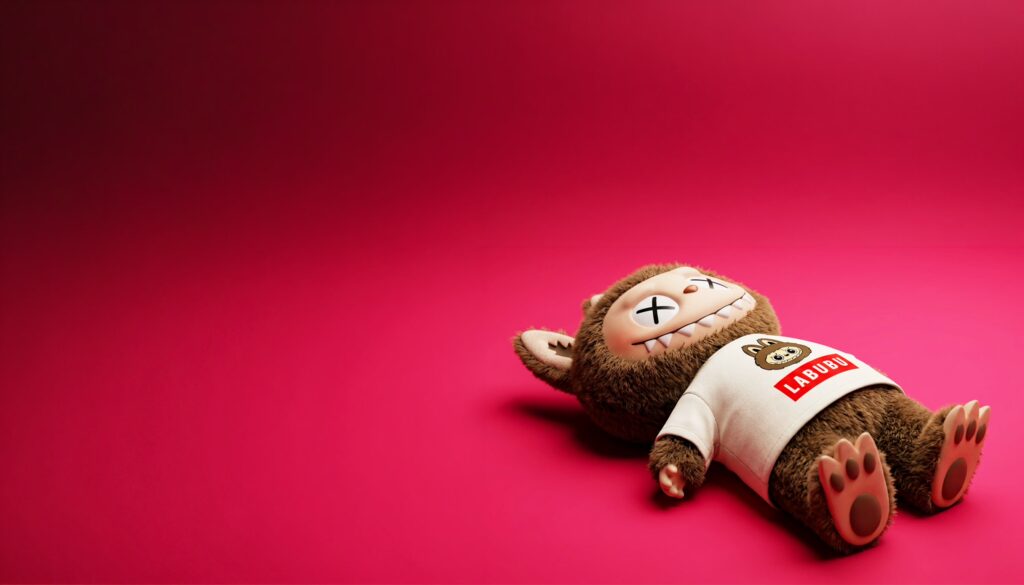
Labubu
loses to
BUBU.
Labubu
loses to
BUBU.
from
Can a trademark fail even though it is conceptually completely different from the older one? Is it really enough for a single language group in the EU to perceive a sound similarly in order to bring down an EU-wide trademark application?
Two trademarks, one word – and one conflict
The toy figure LABUBU has gained worldwide recognition in recent years. An Italian company wanted to register the associated figurative mark as a European Union trademark with the European Union Intellectual Property Office (EUIPO).
A Turkish company filed an opposition against this. It is the proprietor of the earlier EU figurative mark BUBU, consisting of the lettering BUBU in combination with a stylized butterfly or bowtie symbol.
Specifically, it was about these signs:
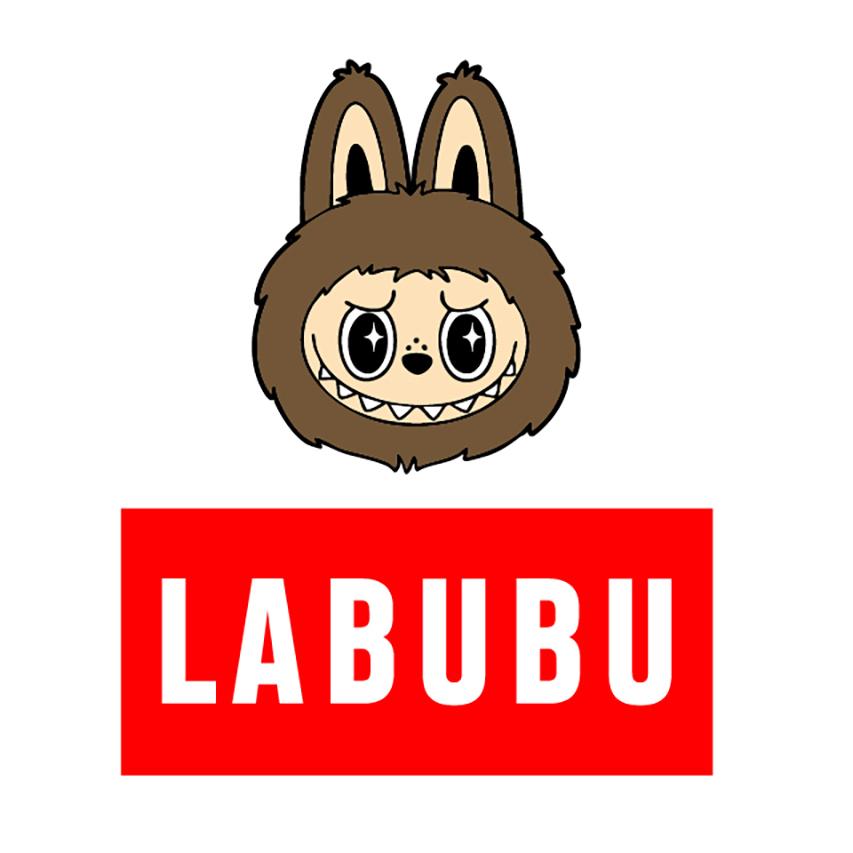
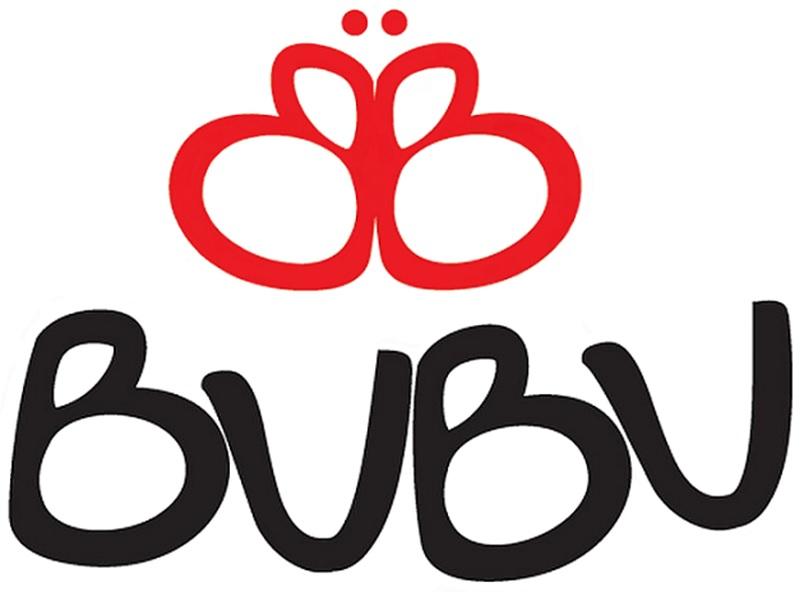
On May 29, 2026, the Opposition Division of the EUIPO upheld the opposition in full and rejected the application for LABUBU in all classes of goods claimed.
The special role of the French-speaking audience
In its decision, the EUIPO focused on French-speaking consumers. French-speaking consumers would instinctively divide the word LABUBU into the definite article LA and the root word BUBU. The article “LA” is an everyday word in French with no distinctive character. This leaves exactly the word element of the earlier trademark: BUBU.
According to the established case law of the European Court of Justice, certain articles in trademarks have a much less distinctive character than the substantive elements that follow them. For the assessment of the likelihood of confusion, the word core “BUBU” is therefore the most important factor for the Office.
According to European Union trademark law , it is sufficient if there is a likelihood of confusion in only one part of the European Union. As the French-speaking part of the population in countries such as France, Belgium and Luxembourg is significant, this finding was sufficient to overturn the entire application.
Sound beats image
The signs were classified as visually less similar than average. Although both share the word element “BUBU”, they differ significantly in their design. While the older trademark shows a stylized butterfly or a bow as a figurative element, the younger trademark shows a striking cartoon character: the LABUBU monster on a red background with white lettering.
The EUIPO saw a high degree of phonetic similarity. Anyone who pronounces “LABUBU” and perceives “LA” as an article will essentially hear the same thing as with “BUBU”. As experience has shown that consumers remember trademarks more easily aurally than visually, the EUIPO gives greater structural weight to the sound.
Conceptually, however, the EUIPO found inequality. The word elements of both trademarks have no independent meaning. The figurative elements, on the other hand, convey clearly different concepts: a decorative butterfly on the one hand and a cartoon creature on the other.
It is very likely that the French-speaking public will divide the word element of the contested trademark into the components “LA” and “BUBU”. This linguistic perception contributes to the similarity between the signs.
Conceptually, the signs are different
The Office itself has found that the two trademarks are conceptually dissimilar. The LABUBU mark is not a neutral figurative mark. The figure depicted has developed an independent, globally recognizable identity through the Pop Mart company. The BUBU trademark, on the other hand, depicts a simple butterfly or a decorative bow – a fundamentally different visual concept.
Ultimately, however, this difference did not help. The EUIPO pointed out that a conceptual dissimilarity can only neutralize an existing phonetic and visual similarity if at least one of the compared terms has a clear and unambiguous meaning for the relevant public. Since both BUBU and LABUBU are meaningless fantasy words for the French-speaking public, the conceptual difference could not have a sufficient separating effect from the point of view of the authority. The butterfly and the cartoon character are figurative elements, not terms in the linguistic sense.
This approach is not uncontroversial. It could be argued that, particularly in the case of figurative marks with a highly individualized figure – such as the LABUBU monster – the overall effect of the sign is shaped by the figurative element and the word sound takes a back seat. In particular for consumers who know the LABUBU figure from the Pop-Mart context, the figurative character is likely to be significant. However, the EUIPO did not assess this degree of recognition of the LABUBU figure in favor of the applicant, as any recognition after filing the application cannot overcome the earlier priority of the BUBU trademark.
What you can learn from the decision
The EUIPO has based the likelihood of confusion on a specific linguistic analysis of the French-speaking public. This approach is quite common. Nevertheless, the question remains whether it is actually likely that someone who has a well-known toy figure in mind will reflexively break down the word sound “LABUBU” into the French article “LA” and the fantasy word “BUBU” and conclude that there is an economic connection.
For an EU trademark, it is sufficient if the likelihood of confusion only exists in one language area of the EU. This is an effective instrument for owners of earlier laws. For applicants, however, it means that a trademark that could easily be registered in 26 out of 27 member states fails because of a single linguistic sub-public.
The Office expressly found that the trademarks LABUBU and BUBU are conceptually and visually different. However, this finding did not influence the decision as neither trademark carries a meaning that is tangible to the public. Trademark applicants cannot rely on the fact that an independent, distinctive visual concept neutralizes a phonetic similarity.
The EUIPO has explicitly pointed out that consumers could perceive LABUBU as a sub-brand or variation of BUBU. Anyone who integrates the core of an earlier trademark into their own sign runs the risk of being perceived as economically connected – regardless of how different the other trademark elements are.
Conclusion
It is debatable whether French-speaking consumers who have a world-famous toy figure in mind will reflexively break down the word “LABUBU” into the French article “LA” and the fantasy word “BUBU”.
More importantly, however, according to the EUIPO, trademark applicants cannot rely on the fact that a completely different visual or conceptual design is sufficient to rule out a likelihood of confusion in the case of conceptual similarity.
We are happy to
advise you about
Trademark law!