

Liability for
Fake profiles on
Social media.
Liability for
Fake profiles on
Social media.
from
Who is liable if someone creates a social media profile under someone else’s name? Can a social media operator invoke the right to block only the specific fake profiles in question or must it also remove future, identical copycat accounts?
What is it all about?
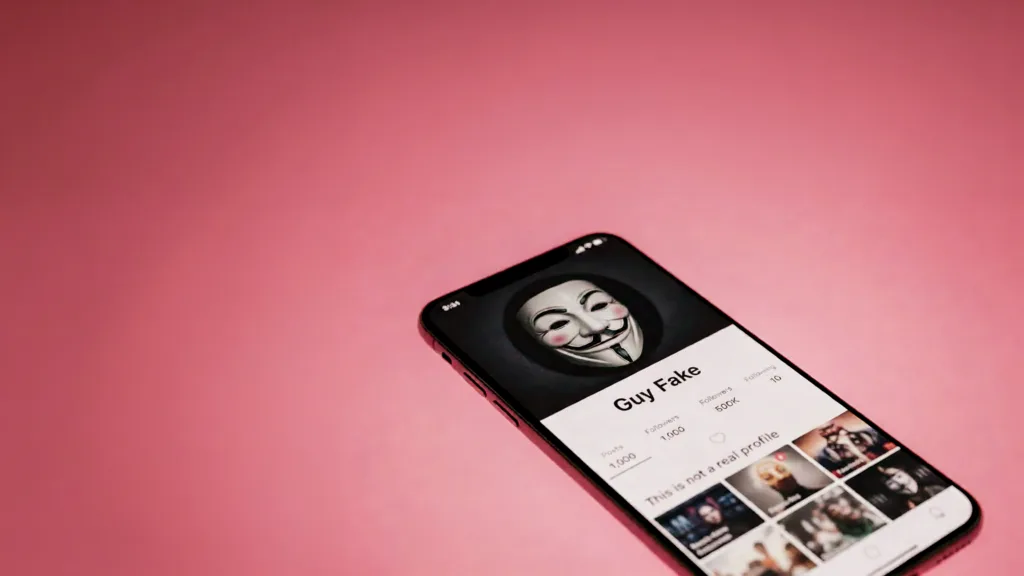
Someone creates several fake profiles of a real person on a major social media service – complete with real name, real photos and even the real job. The platform is made aware of this, but does not respond for weeks or months. Munich Higher Regional Court(judgment of 20.01.2026 – 18 U 2360/25) affirms the liability of the platform operator as an indirect disturber. Its obligation extends not only to the specifically objectionable profiles, but also to all future identical fake profiles.
Fake profiles on social media
Several people discover that fake profiles are being run under their names on a major social media service. These profiles use the real name of the person concerned, and in some cases also their photos, job or academic position – without the person concerned ever having given their consent.
Those affected report the fake profiles in the period from the end of March to the beginning of April 2025 using the reporting function offered by the platform operator. At the beginning of April, they also send an email cease and desist letter. The platform operator does not respond at first. The fake profiles are only deactivated between the end of April and the beginning of May 2025 after a temporary injunction is served by the Munich Regional Court – albeit without acknowledging any legal obligation.
Even during the proceedings, new fake profiles emerged that were identical in content or at least essentially the same – under different web addresses, but with the same data of those affected.
The platform operator appeals against the ruling of the regional court and argues: Firstly, it was not obliged to block the content; secondly, the ban was only aimed at the specifically named profiles – there is no general obligation to monitor for future content with similar content.
The decision of the OLG Munich
The Munich Higher Regional Court rejects the appeal in its entirety and confirms the judgment of the Regional Court.
Those affected are entitled to claims against the platform operator as an indirect disturber for infringement of the right to a name, the law on one’s own image and the general right of personality. Although the platform operator does not operate the respective fake profiles itself, it is sufficient for liability that it intentionally and adequately contributes to the infringement and has the legal and actual possibility of preventing it.
The platform operator’s inspection obligations are already triggered by the notification of the data subjects. The data subjects had explained specifically enough which profiles were objected to and for what reason. On this basis, the breach of law could have been recognized without an in-depth legal or factual review. The court emphasized that the platform operator itself requires in its own guidelines on “authentic identity presentation” that users only create an account under their real name. Fake profiles therefore already violate the platform operator’s own rules.
The platform operator breached its duty under the Digital Services Act (DSA) by not blocking or removing the illegal fake profiles quickly after becoming aware of them. The liability privilege of the DSA therefore does not protect it.
The obligation to cease and desist also extends to future identical fake accounts under other web addresses.
This obligation also applies to future fake accounts disseminated via the relevant social media service under a different web address that are identical or at least similar in essence – without the need for a further prior complaint by the person concerned.
This means that the platform operator must not only react to individual reports. After a one-off complaint, it must also remove similar fake accounts on its own initiative in future. This means that the person concerned does not have to report every new fake profile again.
Need for legal protection even for deleted fake profiles
The platform operator argued that the fake profiles had since been deactivated and that there was no longer a threat of infringement. The Munich Higher Regional Court rejected this argument. The fake profiles were not put online by the platform operator itself, but by users of the service. It is not up to the platform operator to decide whether other users create new, identical fake accounts. On the contrary, the present case shows that this had already happened several times.
It is also crucial that the platform operator continued to take the legal view that it was not obliged to block future fake accounts with identical cores. This position on the part of the platform operator in itself already constitutes a continuing risk of repetition.
Conclusion
This decision by the Munich Higher Regional Court has considerable practical significance for operators of social media services.
The obligation to cease and desist in the case of fake profiles extends to core-like fake accounts, without the need for a renewed complaint by the person concerned. The platform operator cannot invoke its own liability privilege if it does not act swiftly after becoming aware of an infringement.
Anyone who comes across fake profiles on social media platforms does not have to report them individually if a court ruling has already stipulated an obligation to cease and desist for content with a similar core.
We are happy to
advise you about
IT law!